




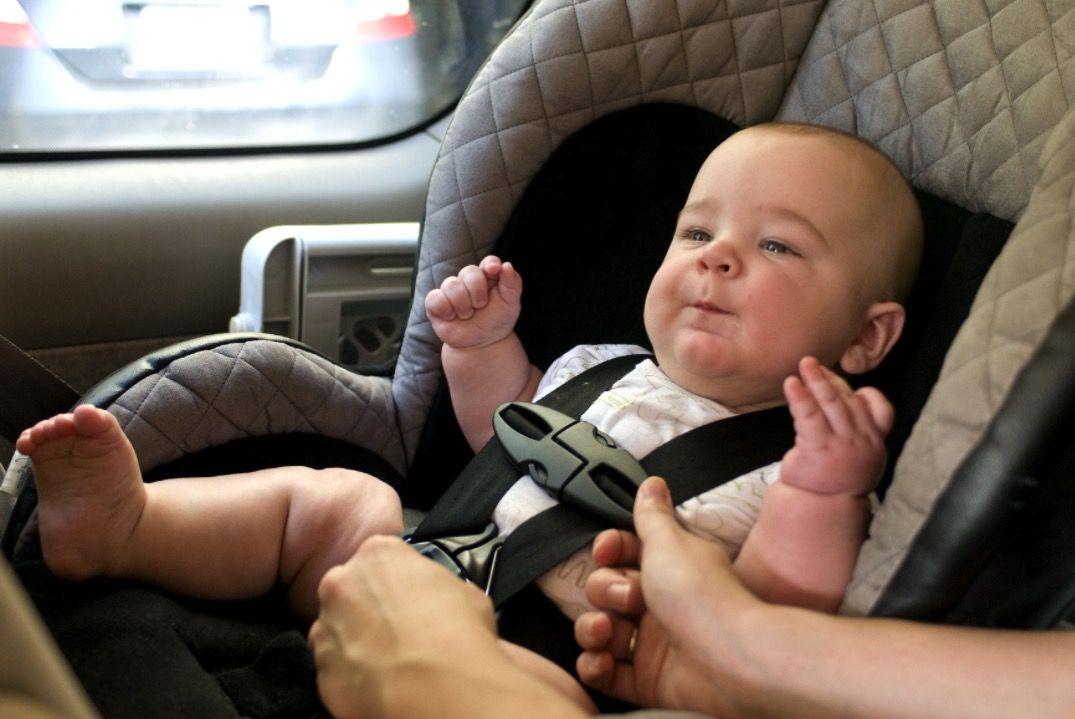
Five Child Safety Seat Tips to help keep kids secure on the road
From radar-based cruise control to the latest in automatic braking technology, Chevrolet is always on the cutting edge of the relentless push to make the cars of tomorrow safer for you, your family, pedestrians and other drivers on the road. Modern Chevy vehicles like the 2021 Tahoe, Blazer and Silverado 1500 are bristling with technologies that would have seen like the stuff of science fiction even ten years ago, and it seems like our favorite brand is always dropping some new safety feature.
Even with all that safety, when it comes to kids, the first line of protection is the simplest: a properly-fitted car seat or booster seat. In addition to buying a safe vehicle, making sure your child’s car seat is properly installed and properly fitted is the surest way to make sure they make it home from every journey safe and sound.
Seen below, check out McLarty Daniel Chevrolet’s tips for making sure your children are properly buckled into their car seats, helping the safety seat work to its best no matter what happens. See, here at McLarty Daniel Chevrolet of Springdale, we’re parents too, so we’re all about keeping the little ones safe. And if you need a car, truck or SUV with the latest in safety tech to surround you and your family in a cocoon of protection on road, come see us today at McLarty Daniel Chevy, or check out our full selection of safe and beautiful Chevrolet and vehicles online right now.
1) CHILDREN SHOULD FACE THE REAR AS LONG AS POSSIBLE
Though everybody likes to see where the road is taking us in our new Chevy today, young children are always safest when they are in a rear-facing car seat. Most collisions occur from the front, and with the seat facing the rear, with the seat and padding able to better absorb the impact, there’s much less chance of your child suffering life-threatening head, neck and spine injuries in the event of a frontal crash. As such, children should stay rear-facing in the car seat for as long as their height will allow, and at least until they’re two years old.
2) UTILIZE YOUR VEHICLE’S BUILD IN ANCHOR POINT AND TETHER STRAP
A secure car seat is a car seat with limited movement in the event of a crash, and in addition to using the lap belt to secure the seat, you should definitely utilize your vehicle’s built in safety seat anchor point and tether strap. Since 2000, all vehicles sold in North America have included at least three solidly-mounted safety seat anchor points in the rear of the vehicle. Often hidden under easy to remove plastic covers, than anchor points are used with a quick-release tether strap to keep the safety seat from whipping violently in a collision, which can injure a child’s brain, neck or muscles. A tether strap is included in the purchase of every new car, and new ones can be purchased separately if you don’t have yours. Check online or in your owner’s manual for the location of the hidden anchor points in your vehicle
3) ARE YOU SNUG
Though young children love to complain about the straps of their car seat being too snug, but snug safety seat straps are absolutely crucial to making sure your child is safe on the road. First and foremost should be getting the correct tension on the harness straps that go over the child’s shoulders. So how snug is snug enough? With the child buckled in their safety seat, use your fingers to pinch the strap where it sits over the child’s shoulder. If there’s enough slack to pinch the strap between your fingers, they should be tighten a bit.
4) CLIP IT!
While the small plastic clip that secures the shoulder straps of a safety seat across the child’s chest doesn’t look like it would offer much protection, proper use, alignment and placement of the clip is crucial to keeping your child safe in a crash. Always take care when positioning the clip, making sure the straps aren’t twisted, bunched or folded as they pass through the clip. In addition, the clip should be positioned in line with your child’s armpits. NEVER allow the clip to be positioned near the child’s throat, or over the abdomen, which could harm your child’s internal organs in the event of a crash.
5) WHICH SLOT?
If you take the padded over off your child’s car seat, you’ll see a series of slots on each side, which the chest straps go through, allowing you to adjust the straps upward as your child grows. Making sure you’re using the correct slots for your child is another crucial, often-overlooked facet of making sure the car seat is ready to protect your child in the event of a crash. The first step is to place your child in the safety seat. If your child is still using a rear-facing seat, you should use the slots that are located at or just below the level of your child’s shoulders while sitting in the seat. If your child has graduated to a forward-facing seat, you should utilize the slots located at or just above your child’s shoulders.
Keeping you and your family safe on the road is Job One for Chevrolet, and it’s Job One for everybody here at McLarty Daniel Chevrolet. By following these easy tips, you can help make sure your young ones are as safe as they can be on the road while giving yourself peace of mind. Need a safe and reliable vehicle that’s always working overtime to keep you and yours secure? Stop in today at McLarty Daniel Chevrolet and check out our full line of outstanding, safety-conscious Chevrolet vehicles, or check out our website online right now.
Connect with us


- April 2025
- March 2025
- February 2025
- January 2025
- September 2024
- August 2024
- July 2024
- April 2024
- March 2024
- February 2024
- October 2023
- September 2023
- August 2023
- July 2023
- June 2023
- May 2023
- April 2023
- June 2022
- May 2022
- January 2022
- October 2021
- September 2021
- August 2021
- July 2021
- June 2021
- May 2021
- April 2021
- March 2021
- February 2021
- January 2021
- December 2020
- October 2020
- September 2020
- August 2020
- July 2020
- June 2020
- May 2020
- March 2020
- February 2020
- January 2020
- December 2019
- November 2019
- October 2019
- September 2019
- August 2019
- July 2019